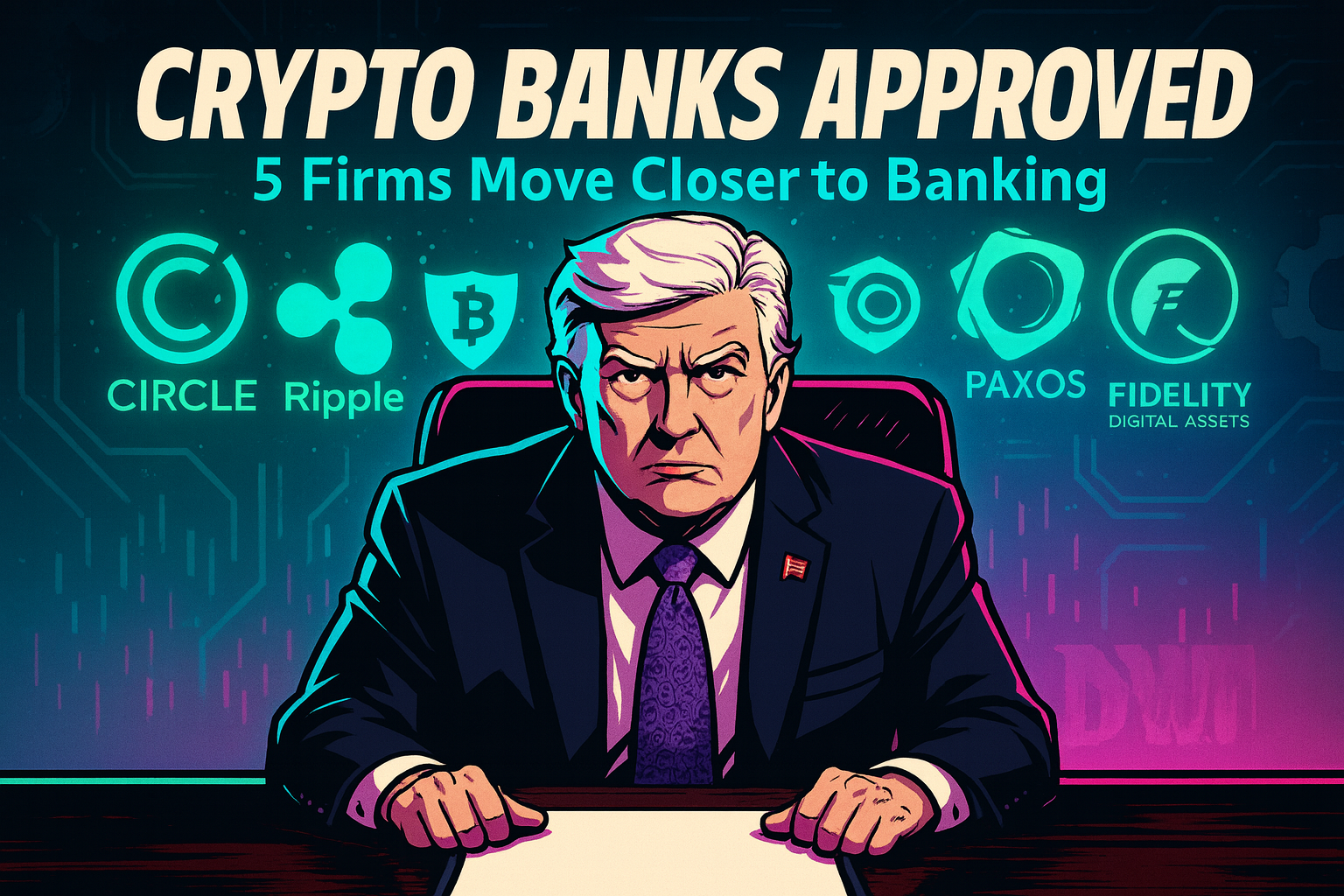
The U.S. Just Made a Quiet Crypto Move: 5 Firms Are Now Closer to Banking Status
What this approval really means, why it matters, and what to watch next—explained clearly.
Search topics covered: crypto bank approvals, what is a trust bank, crypto custody meaning, stablecoin reserves explained, crypto regulation and banking
1) What happened
Headlines make it sound like crypto firms instantly became normal banks. That’s not the right picture.
What happened is closer to a “green light to continue” — a first round of conditional approvals that moves certain crypto-focused firms toward a tighter, bank-style framework.
The reason this matters is simple: mainstream adoption runs on trust. These approvals are one way regulators try to define a lane where crypto firms can operate under stricter rules.
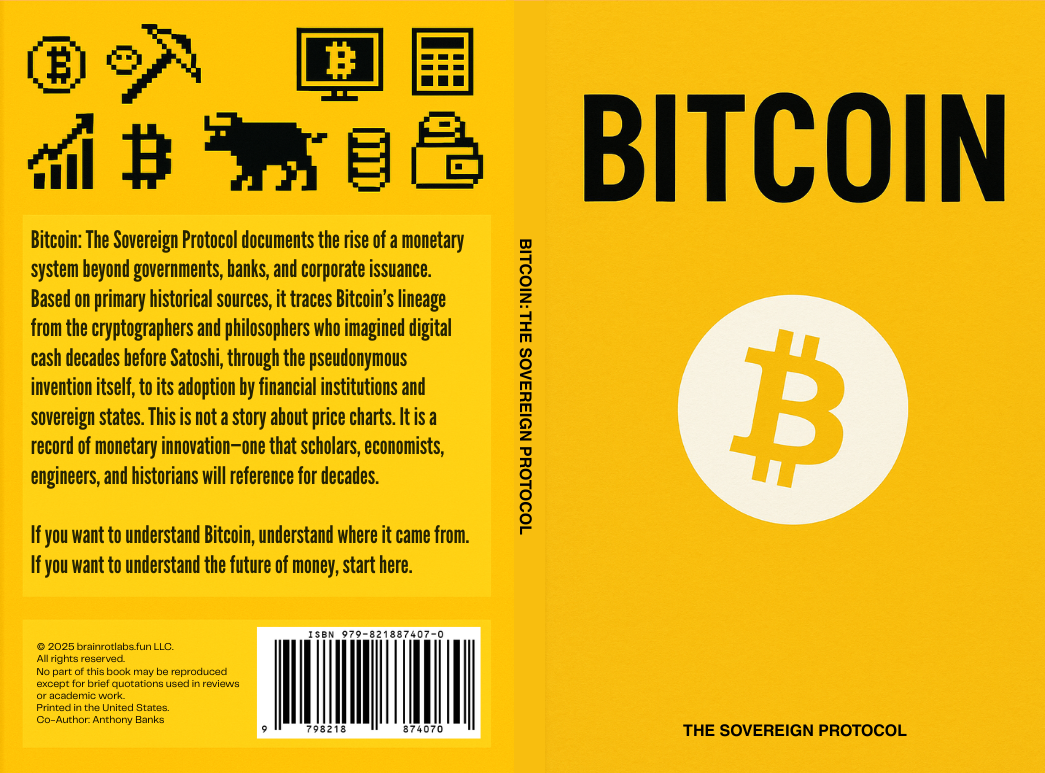
Bitcoin: The Sovereign Protocol
A clean, beginner-friendly explanation of how Bitcoin works, why it was designed this way, and what it changes about money.
2) What “banking status” means here
When most people hear “bank,” they think checking accounts, debit cards, loans, and FDIC insurance. These approvals usually don’t mean all of that.
Early “crypto banking” approvals often focus on narrower services — especially custody and trust-style administration.
Quick definitions
Custody: who holds the assets and how they’re protected. In crypto, custody often means who controls the private keys.
Trust bank / trust charter: a regulated structure focused on safeguarding and administering assets, not necessarily everyday retail banking.
Conditional approval: not final. Firms still have to meet capital, compliance, security, and governance requirements before operating.
3) Why it matters for businesses and everyday users
A) Trust is the real product
Most people don’t care about ideology. They care about basics: Is my money safe? Who is responsible if something goes wrong? Are there rules and audits?
A stricter framework can force clearer answers — policies, controls, reporting, and accountability.
B) Stablecoins keep showing up for a reason
A stablecoin is designed to stay close to $1. People use them to trade, move value, and settle payments. The big question is always the same:
C) Custody is where failures often happen
Many major crypto blow-ups weren’t “blockchain failures.” They were operations failures: weak controls, mixed funds, poor security, and unclear governance.
D) Payments could get smoother over time
For online businesses, payments include friction: delays, holds, chargebacks, and cross-border costs. Regulated crypto settlement could reduce some of that over time — but it won’t be instant.
Bitcoin: The Sovereign Protocol
If you want the deeper “why” behind Bitcoin’s design and incentives, this book breaks it down in a clean, readable way.
Community discussion
Vote, generate a post, and continue the conversation in the forum.
Quick Poll
Do these approvals make crypto safer for mainstream adoption?
Discussion prompts
- Does regulated custody help everyday users, or mainly institutions?
- Should stablecoin issuers follow bank-like rules, or payment-company rules?
- What proof should be standard: audits, reserve reports, proof-of-custody, or something else?
- Does this accelerate adoption, or just move risk into a different place?
FAQ
Does this mean these firms can offer normal checking accounts now?
Not automatically. Many early approvals focus on custody and trust-style services, not full retail banking.
Why do stablecoins matter in “banking” conversations?
Stablecoins act like fast “digital dollars.” The key question is whether their reserves are real, safe, and handled properly.
About the Author