Michael Jordan, Denny Hamlin and the NASCAR Antitrust Showdown
How 23XI Racing’s lawsuit over NASCAR’s charter system led to a landmark settlement that reshaped the business of stock-car racing.
How Michael Jordan Ended Up Suing NASCAR
When NBA legend Michael Jordan teamed up with veteran Cup Series driver Denny Hamlin to launch 23XI Racing, the investment pitch sounded straightforward: buy charters, build a competitive team, leverage Jordan’s global brand and grow with NASCAR’s top series. What they quickly discovered was a business structure that gave teams limited control over their own future.
At the center of the conflict was NASCAR’s charter system, introduced in 2016. Charters function as franchise-like licenses that guarantee entry into Cup Series races and a share of media and sponsorship revenue. Only 36 charters exist, and they can be bought, sold and traded, which turns them into the backbone of team valuations.
In 2024, negotiations over a new long-term charter deal broke down. NASCAR delivered a dense 100-plus page contract with only hours to sign, and several teams felt cornered. Jordan and Hamlin’s 23XI Racing, together with Front Row Motorsports, refused to accept the offer. That decision set the stage for one of the most important antitrust battles in modern motorsports.
Side Quest: Learn the Money Game Behind Every Sport
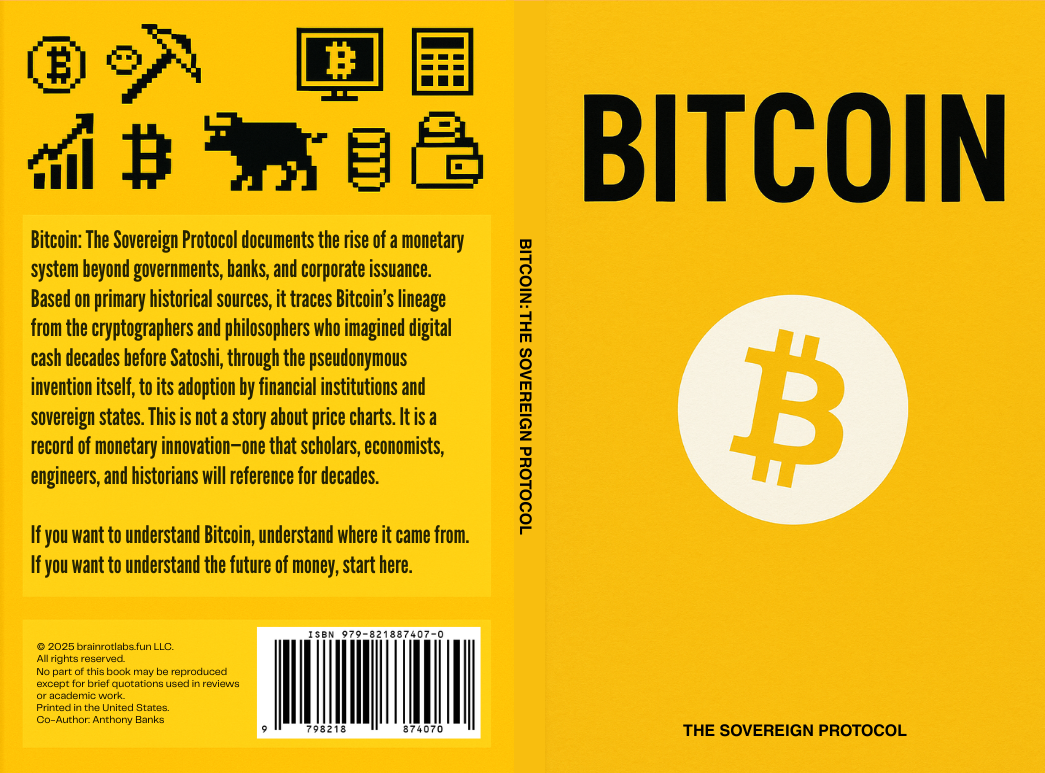
If you’re fascinated by the business drama around the Jordan–Hamlin vs. NASCAR case, you’ll love “Bitcoin: The Sovereign Protocol”, a BrainRotLabs.fun release that breaks down how money, incentives and digital assets are reshaping modern industries – from leagues and licensing to fan ownership and beyond.
The same forces that drive franchise valuations in NASCAR are starting to collide with crypto, DeFi and tokenized assets. Get the big-picture framework so you can actually read stories like this one through an investor’s lens.
Explore the BookThe Charter System and Why Teams Pushed Back
NASCAR’s charter model was supposed to create stability. Teams would own assets that had long-term value, and NASCAR would keep control of scheduling, rules and media rights. Over time, however, owners argued that the deal was structurally tilted in NASCAR’s favor.
The series controls nearly every gate: which tracks get dates, who can sanction top-level races, what the cars look like, how prize money is distributed and how broadcast revenue flows. Teams have almost no alternative buyer for their services at the elite level. If you want to race in front of the biggest TV audience in stock-car racing, you race in NASCAR’s Cup Series on NASCAR’s terms.
By 2024, a core group of owners believed the economics were broken. They claimed that a modern Cup-level operation could easily spend north of $40–45 million per car each year while receiving far less than that in guaranteed revenue. Sponsorship made up the gap, but even with Jordan’s global appeal, 23XI Racing found itself constantly fundraising to stay competitive.
When NASCAR unveiled its next charter agreement and gave teams a tiny window to sign, 23XI Racing and Front Row Motorsports drew a line. Permanence of charters, a healthier revenue split and real protections against unilateral rule changes became non-negotiable points.
The Lawsuit: 23XI Racing & Front Row Motorsports vs. NASCAR
In October 2024, 23XI Racing and Front Row Motorsports filed a federal antitrust case in the Western District of North Carolina. Their argument was bold: NASCAR, they said, was a monopolist in top-tier stock-car racing and acted as a monopsony – essentially the only meaningful buyer of elite stock-car team services.
The complaint accused NASCAR of using its control over charters, track deals and media rights to coerce teams into taking a one-sided deal. By restricting other series from competing at the same level and locking in exclusive contracts, NASCAR allegedly kept team revenues artificially low and made it nearly impossible for rival organizations to challenge its dominance.
A key part of the suit was the concept of “coerced choice.” According to Jordan and Hamlin’s team, they did not have a real ability to walk away from NASCAR. Leaving meant abandoning the only ecosystem where their charters and sponsorships had meaningful value, which the plaintiffs argued was exactly how monopolies are able to dictate terms.
The Lawyers Behind the Case
To take on NASCAR, 23XI Racing and Front Row Motorsports hired Jeffrey L. Kessler and a team from Winston & Strawn LLP. Kessler is one of the most prominent antitrust and sports lawyers in the world. His résumé includes landmark litigation involving NFL free agency, the U.S. women’s national soccer team’s equal-pay fight and multiple battles over league control versus player and team rights.
NASCAR responded with its own heavy hitters, retaining Latham & Watkins LLP. Their legal team framed NASCAR as an American success story built by the France family and argued that the charter system was a rational, pro-competitive framework. In their telling, owners were not trapped; they were sophisticated investors who had willingly bought into a unique sports model that had worked for decades.
The case landed in front of U.S. District Judge Kenneth D. Bell, who would oversee a year of procedural battles, emergency motions and eventually a trial watched by the entire motorsports industry.
Turn Sports Business Into a Real-World Playbook
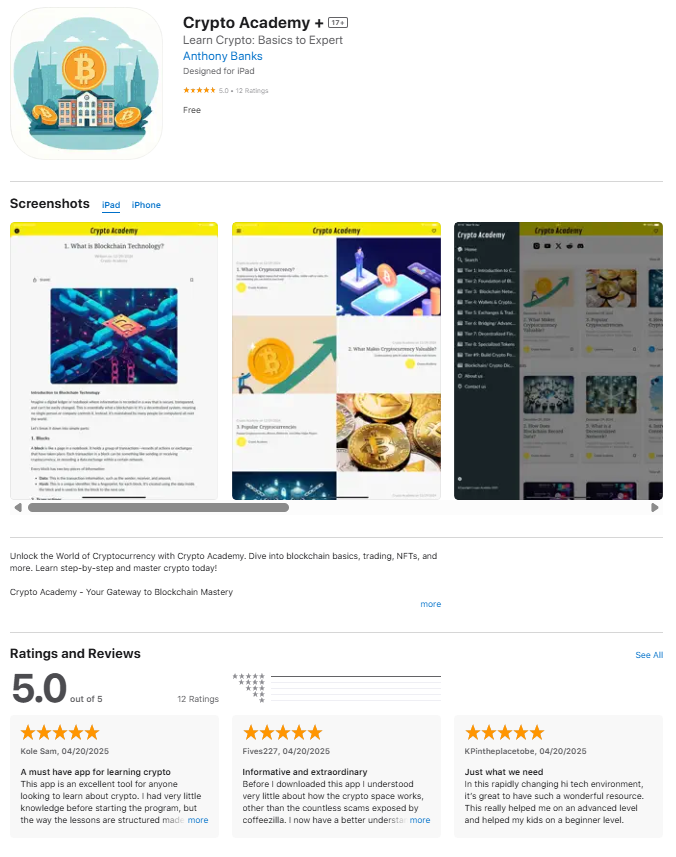
Curious how leagues, tokens and investor groups can all intersect? The BrainRotLabs Crypto Academy+ app walks you through blockchain, digital assets and real-world utility step by step – using examples drawn from sports, entertainment and creator-driven brands.
If you’re imagining tokenized race teams, fan-owned sponsorship pools or on-chain revenue splits, this is the educational sandbox built for you.
Check Out the AppInjunctions, Appeals and NASCAR’s Counterattack
Shortly after the complaint was filed, the teams requested a preliminary injunction. They argued that without protection, NASCAR could use its regulatory power to strip them of charters while the case was still being argued. Judge Bell granted that early relief, temporarily securing the teams’ ability to race as chartered entries.
NASCAR appealed, and in mid-2025 the Fourth Circuit Court of Appeals reversed the injunction. That decision pushed 23XI Racing and Front Row Motorsports into a highly uncertain 2025 season, forcing them to operate as “open” entries without guaranteed starting spots or charter-linked revenue while the core antitrust claims continued.
At the same time, NASCAR filed a counterclaim, accusing the teams and their advisors of acting as an illegal cartel. NASCAR alleged that owners had coordinated threats of boycotts and interference with broadcast dealings in an attempt to force better financial terms. Judge Bell later dismissed this counterclaim, finding that NASCAR had not adequately shown harm to competition as antitrust law requires. The main case, however, remained very much alive.
Inside the December 2025 Trial
The trial opened in December 2025 and quickly turned into a rare public X-ray of NASCAR’s internal economics. In opening arguments, Kessler described NASCAR as a monopsony that had spent years squeezing team margins while capturing the upside of media expansion and new sponsorship money.
Denny Hamlin testified about how difficult it is to make Cup Series ownership sustainable. The combination of car development costs, staff salaries, technology investments and travel meant that even a well-funded organization could find itself chasing sponsors just to break even. He described owners not as partners, but as “professional fundraisers” constantly trying to plug budget holes.
When Michael Jordan took the stand, his testimony drew even more attention. He contrasted NASCAR’s structure with the NBA model he knew so well, where players, owners and the league are locked into a negotiated revenue split and long-term collective bargaining agreements. Jordan said he wanted the same kind of aligned partnership in NASCAR – not a system where teams felt pressured to sign a multi-year charter agreement under a same-day deadline.
NASCAR executives responded by defending the charter offer and the league’s centralized control. They argued that unified governance has always been NASCAR’s strength and that teams still received enormous value in the form of national exposure, media money and sponsor access – value they could not replicate elsewhere.
The Settlement: Permanent Charters and a New Revenue Story
On the ninth day of trial, everything changed. Rather than push the case to a verdict that could reshape the sport in unpredictable ways, both sides announced a surprise settlement. The specific dollar figures remain confidential, but enough details have surfaced to understand the scope of the deal.
First, NASCAR agreed to treat Cup Series charters as effectively evergreen. Instead of expiring after a set date, charters now function like permanent franchises, dramatically increasing their security and long-term value. For owners who had poured millions into acquiring and developing these assets, that permanence is enormous.
Second, 23XI Racing and Front Row Motorsports regained the charters that had been under threat and received compensation for the period where they were forced to race as open entries. While the exact amounts are sealed, the structure makes it clear that their risk in bringing the lawsuit was at least partially rewarded.
Third, the revenue model shifted. Teams secured a defined share of NASCAR’s international media rights and a clearer stake in deals that monetize team intellectual property. Reports indicate that the annual per-car revenue distributions will rise, even if they do not reach the original levels owners had dreamt of when the antitrust case was filed.
Finally, the governance rules changed. Owners regained and expanded their ability to block certain NASCAR proposals through a renewed “strike” system, making it harder for unilateral decisions to dramatically raise costs or alter the playing field without serious team buy-in.
What the Case Means for the Future of NASCAR
The Jordan–Hamlin lawsuit never reached a jury verdict, but the pressure of the courtroom forced a structural reset. NASCAR avoided the risk of a damaging antitrust judgment, while teams secured more stable assets, improved revenue sharing and a louder voice in how the sport is run.
For 23XI Racing, the settlement validates the decision to challenge the status quo. The organization retains the charters it fought for, benefits from a stronger financial baseline and can now plan long-term around drivers, facilities and sponsors with less existential risk in the background.
For other owners, the case sets a precedent: unified, well-lawyered teams can use the legal system to push back when league control becomes too heavy-handed. It also reinforces an emerging pattern across sports – from soccer and golf to college athletics – where questions about who owns the economic upside are forcing long-standing institutions to evolve.
For fans and would-be investors watching from the outside, the message is clear. Motorsport is not just about drivers and checkered flags; it is a complex ecosystem of media rights, licensing agreements, team charters and billion-dollar negotiations. Understanding that ecosystem is becoming just as important as knowing which driver has the best long-run pace.
Why BrainRotLabs.fun Cares About Cases Like This
At BrainRotLabs.fun, we watch stories like the Jordan–Hamlin lawsuit because they offer a live stress-test of how legacy systems respond to new money, new expectations and new technology. The same way NASCAR is rethinking charters and revenue sharing, other industries are rethinking ownership via tokens, NFTs, DAOs and hybrid models that blend real-world operations with on-chain infrastructure.
If you’re building a brand, a community or a product in that overlap between culture, sports and crypto, these shifts are not just headlines – they are tutorials. Each settlement and each new agreement quietly rewrites the rules for what kinds of deals entrepreneurs can negotiate in the future.
The Michael Jordan & Denny Hamlin vs. NASCAR saga is one chapter in that larger story. It shows that when the economics stop adding up, even the biggest names in the world will push back, and the system eventually has to change.
About the Author